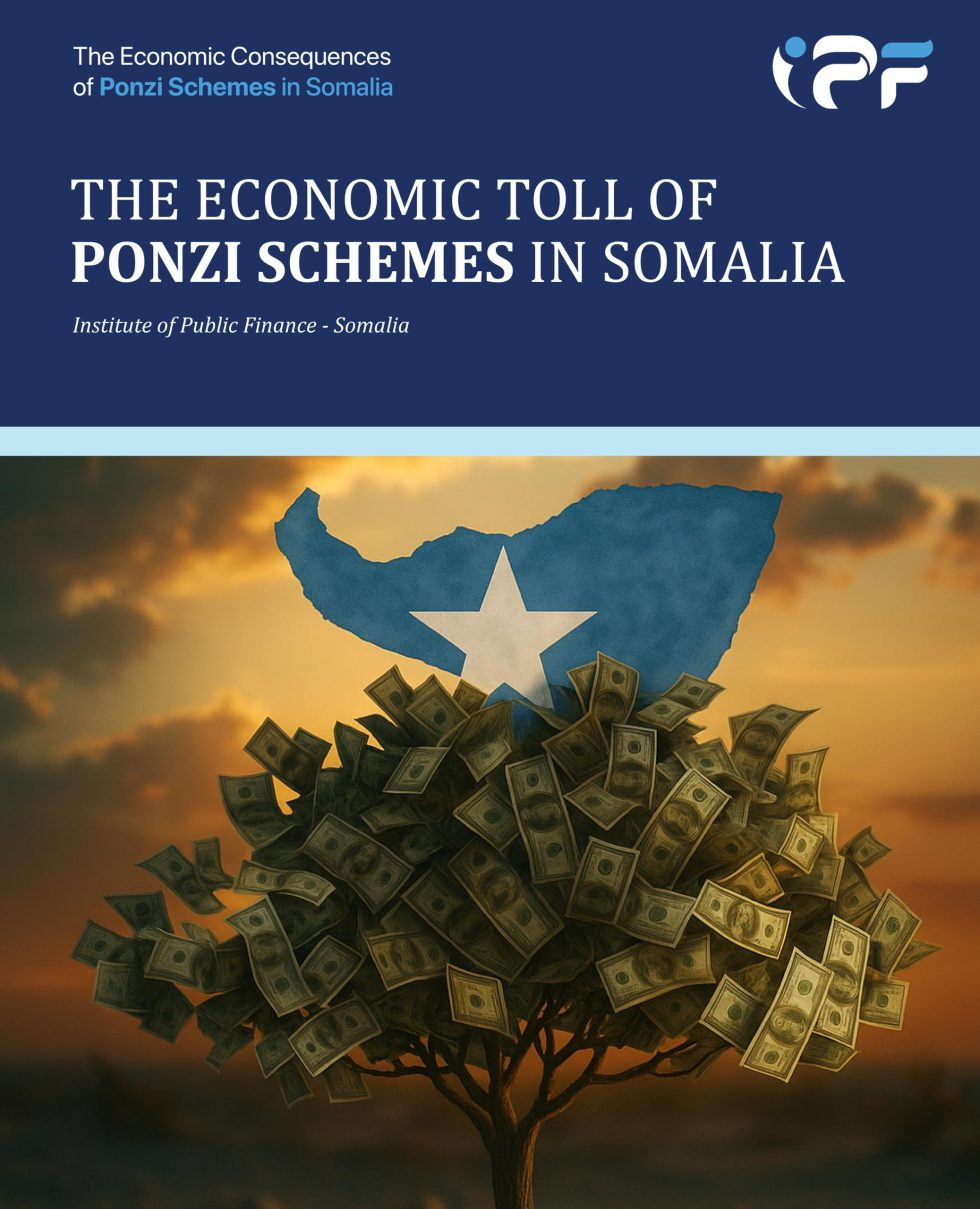
The economic toll of ponzi scheme in somalia
July 24, 2025·Khalid Mohamed Mohamud
Objective
The Phonze Scheme is a proposed development framework designed to empower unemployed youth and small-scale traders by providing affordable mobile phones through a structured repayment model.
The initiative aims to:
- Enhance financial inclusion.
- Improve digital connectivity.
- Create economic opportunities through access to mobile technology.
- Support entrepreneurship and self-employment.
- Promote participation in the digital economy.
Key Components of the Phonze Scheme
1. Provision of Mobile Phones
The scheme provides mobile phones to individuals who have limited access to communication technology.
Target beneficiaries include:
- Unemployed youth.
- Small-scale traders.
- Micro-entrepreneurs.
- Individuals lacking access to affordable mobile devices.
Under the scheme:
- Mobile phones are distributed on credit.
- Beneficiaries receive ownership after completing repayment.
2. Repayment Plan
The repayment system is designed to be affordable and accessible.
Key features include:
- Daily or weekly installment payments.
- Flexible repayment schedules based on beneficiaries' income.
- Digital payment collection through mobile money platforms.
- Automated payment tracking to reduce default risks.
3. Eligibility Criteria
The scheme prioritizes economically vulnerable groups.
Eligible participants include:
- Unemployed youth.
- Small-scale business owners.
- Micro-entrepreneurs.
- Low-income individuals seeking economic opportunities.
To ensure fairness and transparency:
- Applicants are vetted through community-based selection processes.
- Beneficiaries are formally enrolled before receiving devices.
Implementation Strategy
Successful implementation requires collaboration among multiple stakeholders.
Key partners include:
- Telecommunication companies.
- Financial institutions.
- Local government authorities.
- Community organizations.
- Development partners.
Implementation activities include:
- Coordinating phone distribution.
- Managing repayment systems.
- Monitoring beneficiary participation.
- Providing ongoing technical support.
Community agents or cooperatives can also be used to:
- Distribute devices.
- Monitor repayments.
- Support beneficiaries throughout the program.
Technology Component
Each mobile phone will be preloaded with essential digital applications designed to improve daily life and economic participation.
Applications may include:
- Mobile banking services.
- Digital payment platforms.
- Health information services.
- Agricultural advisory applications.
- Educational resources.
- Business management tools.
- Government service applications.
The goal is to ensure beneficiaries can immediately access essential digital services.
Anticipated Benefits
Economic Empowerment
The scheme is expected to:
- Promote entrepreneurship.
- Create self-employment opportunities.
- Improve business communication.
- Expand access to local and regional markets.
- Increase household incomes.
Digital Inclusion
The initiative supports greater participation in the digital economy by:
- Increasing access to mobile technology.
- Promoting digital literacy.
- Encouraging technology adoption.
- Expanding access to online financial services.
Social Impact
The scheme contributes to broader social development by:
- Supporting vulnerable populations.
- Empowering youth and women.
- Strengthening community networks.
- Improving access to education, healthcare, and public services.
Challenges and Risks
1. Default on Payments
Potential risks include:
- Missed installment payments.
- Financial hardship among beneficiaries.
Mitigation measures include:
- Community accountability mechanisms.
- Digital repayment tracking.
- Flexible repayment arrangements.
- Regular beneficiary follow-up.
2. Operational Challenges
Possible implementation challenges include:
- Phone distribution logistics.
- Monitoring repayments.
- Coordinating multiple implementation partners.
- Managing inventory and maintenance.
3. Technical Barriers
Potential technical challenges include:
- Ensuring device compatibility.
- Designing user-friendly applications.
- Supporting semi-literate users.
- Providing technical assistance when needed.
Sustainability Strategy
To ensure long-term success, the scheme should focus on:
- Strong partnerships with private sector organizations.
- Continuous beneficiary training.
- Efficient repayment management.
- Expansion through revolving financing mechanisms.
- Regular monitoring and evaluation.
Conclusion
The Phonze Scheme represents a scalable and innovative development initiative that uses mobile technology to promote social and economic empowerment.
By expanding access to affordable communication tools, the scheme can:
- Strengthen financial inclusion.
- Promote entrepreneurship.
- Increase digital participation.
- Improve access to essential services.
- Support sustainable livelihoods.
- Contribute to national digital transformation and inclusive economic development.
The proposed model provides a practical and sustainable pathway for empowering marginalized communities while supporting broader economic growth and digital innovation.